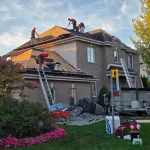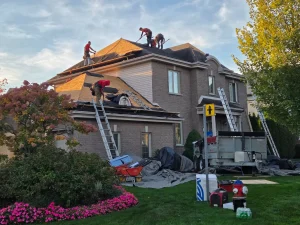
In Quebec, your roof should be inspected at least twice a year: once in spring, after the snow has melted, and once in fall, before the first hard freeze. Industry professionals recommend this schedule to catch seasonal damage early, particularly shingles weakened by heavy snow loads and flashing that cracks under repeated temperature swings. An additional inspection is warranted after any severe storm, regardless of the season.
Your roof takes the brunt of everything Quebec’s climate throws at it: heavy snow buildup, sudden thaws, ice storms. Pushing it to the back of your mind until the first visible leak shows up ends up costing more, both in money and in headaches.
What a professional roof inspection actually covers
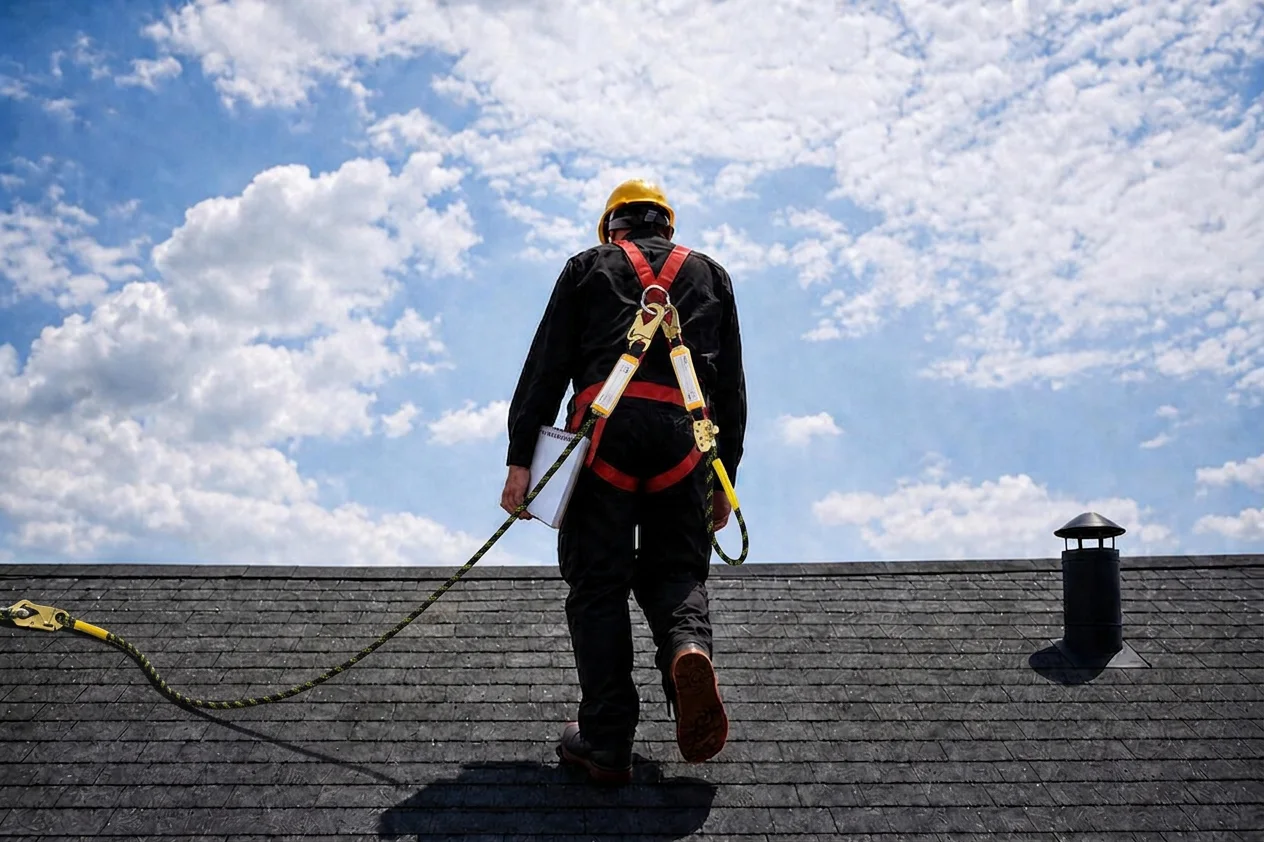
A qualified roofer doesn’t just glance up from the driveway. A proper inspection covers the entire roofing system.
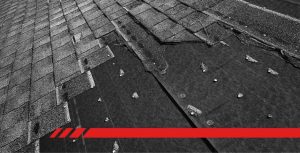
Surface materials come first: asphalt shingles, membrane, or tile, depending on the roof type. The roofer checks for wear, adhesion, and loose granules, a classic sign of aging.
Flashing and seals around chimneys, skylights, and vent pipes are examined next. These are often the first points of failure, well before the shingles themselves show any trouble.
The roofer also checks gutters and down spouts, attic ventilation, and goes inside to look for signs of moisture, mould, or rot on the roof deck. Sagging or blackened wood signals a structural issue that needs immediate attention.
Attic ventilation deserves particular attention. A poorly ventilated attic traps humidity in winter, which speeds up ice dam formation along the roof edge and reduces insulation efficiency. An experienced roofer checks that roof and soffit vents aren’t blocked by insulation or animal nests, a more common problem than most homeowners realize on older roofs.
Why this matters more in Quebec than elsewhere
Water damage has been the leading cause of home insurance claims in Quebec for more than a decade, and it accounted for 68% of claims paid out in 2024. A significant share of those claims trace back to a neglected roof: a missing shingle, a cracked flashing seal, a clogged gutter.
It’s not a coincidence that professionals recommend two inspections a year rather than one. Quebec’s repeated freeze-thaw cycles stress roofing materials in a way that milder climates simply don’t experience. A hairline crack that goes unnoticed in October can turn into an active leak by the time the snow melts in April.
What an inspection costs, compared to what waiting costs
The math is straightforward. A professional roof inspection typically costs between $150 and $500, while a full asphalt shingle roof replacement for an average home runs between $10,000 and $20,000, and can climb higher for larger or more complex roofs.
If your roof is over 10 years old, or if you’ve noticed water stains on the ceiling, an inspection becomes even more urgent. In Quebec real estate transactions, a neglected roof is one of the more common sources of disputes over hidden defects, and preventive maintenance remains the homeowner’s best protection against a minor issue becoming a costly legal one.
Checking your roofer’s RBQ licence
To work in Quebec, a roofer must hold Licence 7.0, “Insulation, waterproofing, roofing and siding contractor,” or a general building contractor licence in subclass 1.1.1, 1.1.2, 1.2, or 1.3. The contractor must also be registered as an employer with the CNESST. This licence confirms the company has demonstrated its technical skills and financial solvency.
Specialized contractors, including roofers, must also post $20,000 in licence security with the Régie du bâtiment du Québec (RBQ), an amount meant to compensate a client in case of unfinished or improperly completed work. Before hiring anyone for an inspection or repairs, check that licence number in the RBQ’s public licence directory. AP Toitures et Fils holds RBQ licence number 5639-2517-01, which you can verify yourself at any time.
Warning signs that call for action now, not at your next seasonal check
Some signs won’t wait for your next scheduled inspection. A pile of black or grey granules in your gutters after a heavy rain points to shingles nearing the end of their lifespan. Moss or lichen on north-facing slopes traps moisture and speeds up the deterioration of the roofing material underneath.
Indoors, a ceiling stain, a musty smell in the attic, or bubbling paint are clear signs of an active leak. In those cases, an inspection shouldn’t wait for the next seasonal cycle.
Maintaining your roof between inspections
A professional inspection doesn’t rule out a few simple habits in between visits. Clear your gutters once the leaves have fallen in autumn, a clogged downspout forces water to pool and work its way under the shingles. Remove ice buildup that forms along the eaves in winter, it traps meltwater against the roof edge.
If branches hang over your roof, have them trimmed before they rub against the shingles or drop a mat of wet leaves onto the surface. These are small habits, but they make a real difference in how long your roof lasts between professional inspections.
Frequently asked questions
Can I inspect my own roof?
A basic visual check from the ground or a stable ladder is possible, looking out for missing shingles or accumulated debris. But examining the attic, flashing, and structure requires a trained eye, and climbing onto a sloped roof carries real fall risks.
Is a roof inspection covered by home insurance?
No, the inspection itself is an out-of-pocket expense for the homeowner. However, a recent inspection report can support an insurance claim down the road, serving as proof that the roof was in good condition before the incident occurred.
At AP Toitures et Fils, inspection has been part of the daily routine for four generations. The company serves the Vaudreuil-Soulanges region and the West Island of Montreal without ever subcontracting the work, offers 24-hour availability for emergencies, and backs its labour with a 10-year warranty. No deposit is required before work begins.
Getting your roof checked in spring or fall means the small problem you catch today doesn’t turn into next year’s full replacement. Contact AP Toitures et Fils to schedule your inspection.